May 11, 2026
Published On:
By:
On International Day of the Midwife 2026, the global theme “One Million More Midwives” underscores a simple but urgent truth: the world cannot achieve safe motherhood and newborn survival without a significant expansion of the midwifery workforce. This shortage is not abstract. It is most visible in countries where maternal and neonatal mortality remain high, and access to skilled care is limited.
Since 2005, GAIA has been successfully implementing its scholarship and fellowship model in Malawi, including for nurse-midwives. Notably, GAIA has supported over 10 percent of nurses currently working in Malawi’s public sector. This long-standing investment has helped strengthen the health system by ensuring a steady pipeline of trained providers and placing them where they are most needed.
Building on its proven model, GAIA, with the support of the Health Carousel Foundation, has expanded to Zambia to tackle urgent maternal and neonatal health challenges with immediate results. In Zambia, maternal mortality remains high at roughly 187 deaths per 100,000 live births, with a neonatal mortality rate of 21 deaths per 1,000 live births. Midwives are key to closing this gap by providing antenatal care, managing deliveries, and responding to complications when every second counts.
Through the Nursing Scholarship Program, 15 midwifery scholars are in the final stage of training and already delivering care during rural clinical rotations, reaching underserved communities where access is most limited. For many of these scholars, their experiences are both immediate and deeply personal:
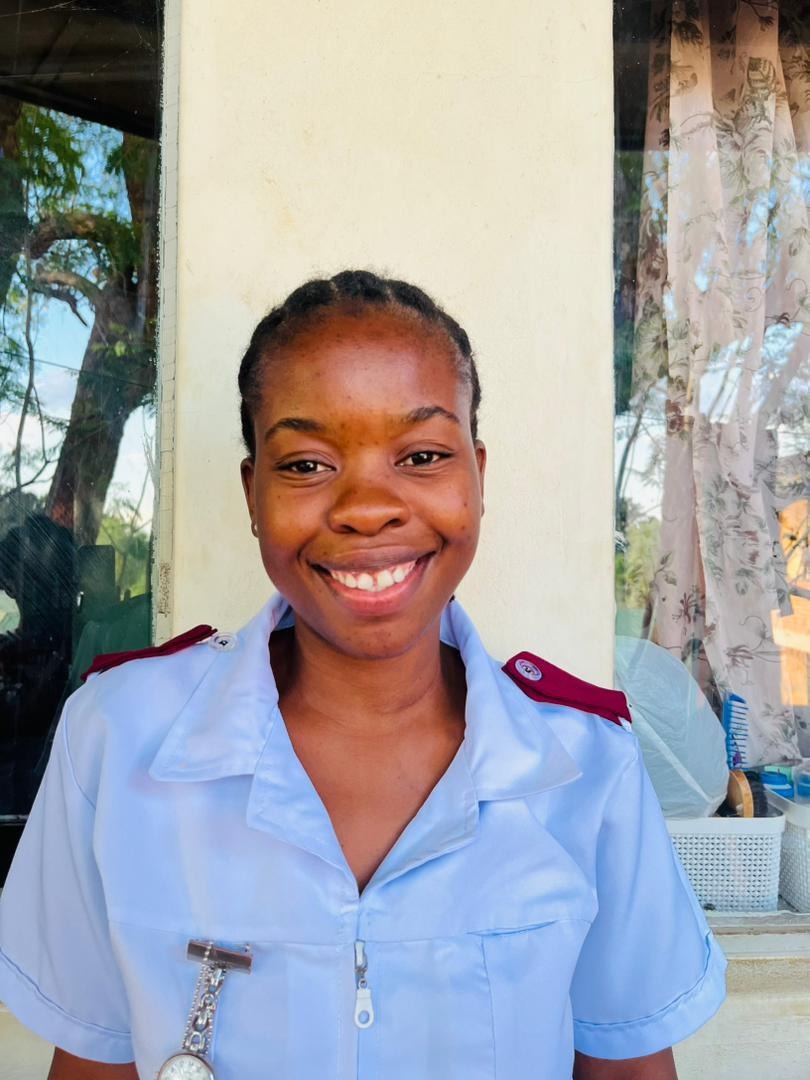
Linah Mtonga: I strongly believe that no woman should die during labour and my vision is to see my community reach a stage where maternal or neonatal death becomes a taboo. I believe that change begins with me – if we can reduce maternal or neonatal death at the community level, we will see improvement nationally . . . As a way of giving back to the community, I plan to work closely with community health workers to sensitize women of childbearing age about teenage pregnancy, family planning, and child spacing because there is still much to be done, and I am committed to being part of that change.
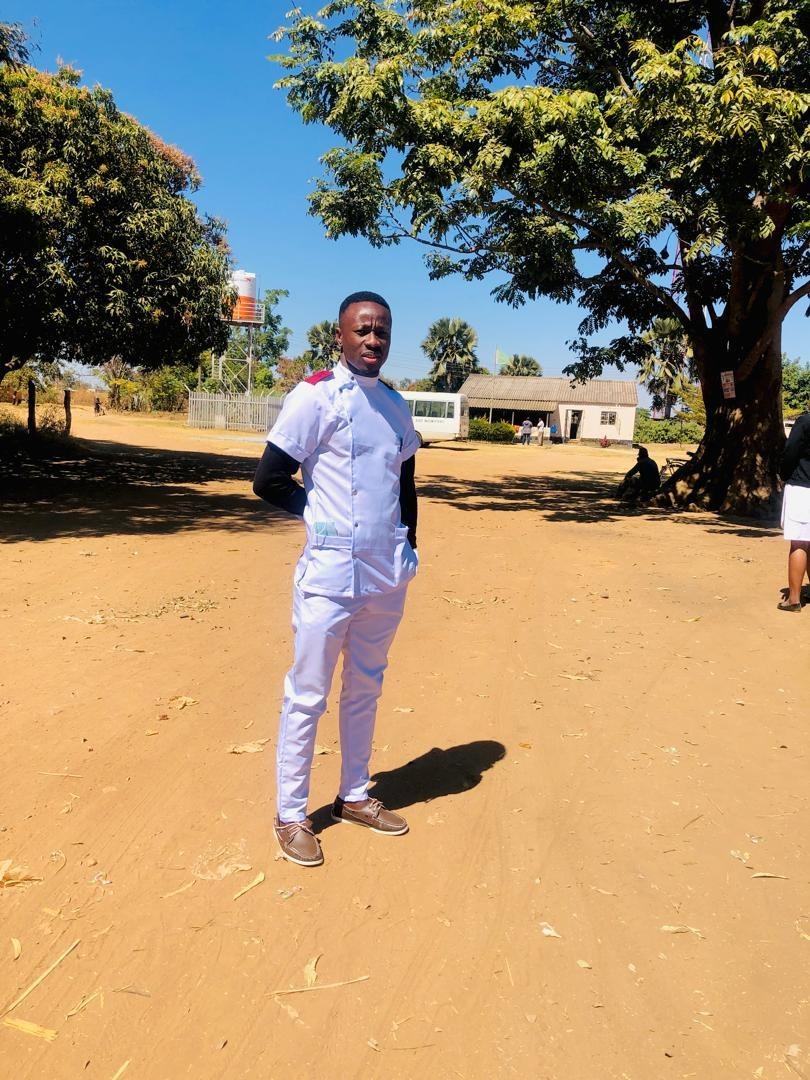
Isaac Phiri: Coming from parents who do not have professional jobs, going back to school for advanced studies was not an easy decision. This scholarship gives me the chance to focus on my studies without worrying about the financial challenges of paying school fees and other school requirements. I am motivated to continue working in maternal health and reduce maternal and child mortality anywhere in Zambia, whether rural or urban, so long as I can use my skills acquired from this training.
At the same time, the Nursing Fellowship Program has placed 10 nurse-midwife fellows across five high-burden facilities in four districts, alongside two specialized fellows supporting surgical and anesthesia services in a rural hospital. Together, they are reinforcing frontline care where the need is greatest. Fellows are seeing firsthand how their support is transforming care:
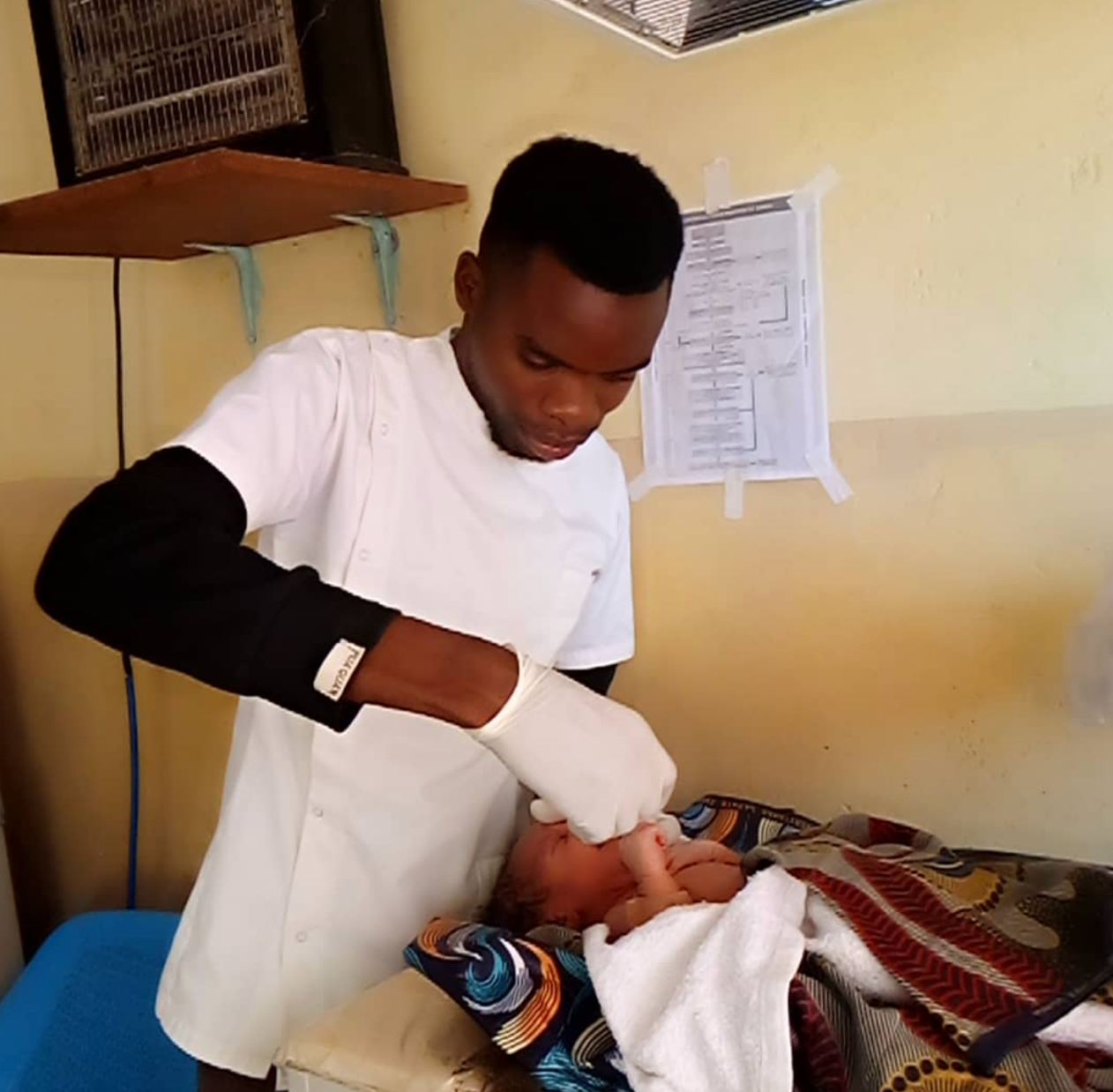
Victor Mwale: This fellowship has not only strengthened my skills but also deepened my commitment to giving back to the community through improved maternal and newborn care. Being part of GAIA’s mission inspires me to continue serving with compassion and dedication, knowing that together we are creating healthier and stronger communities in Zambia.
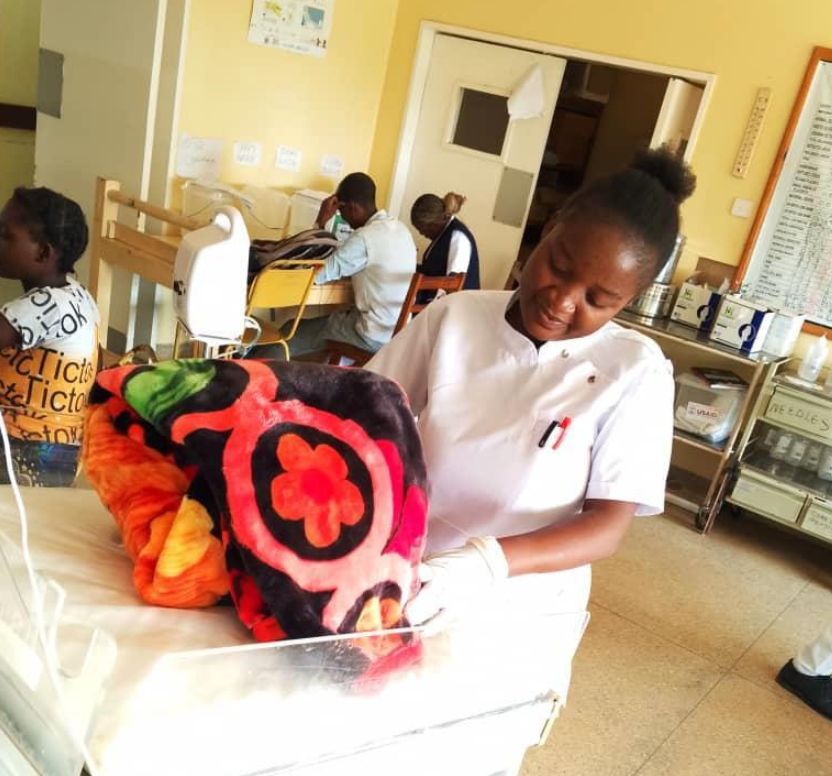
Edna Mlewa: I've gained not only knowledge and skills but also confidence and a renewed sense of purpose. I'm thankful for the opportunity to make a meaningful difference in the lives of women and children in my community and borders beyond Zambia. I'm also grateful for the opportunity to be part of a community of healthcare professionals who share my passion for midwifery care. Together, we can make a difference and create a brighter future for mothers and children and reduce factors contributing to maternal and neonatal morbidity and mortality.
The impact has been rapid and visible. Fellows are managing high delivery volumes, mentoring existing staff, expanding antenatal services, and helping stabilize overstretched facilities. Maternal outcomes are already improving, with all supported hospitals reporting declines in maternal mortality and four of five facilities recording zero maternal deaths since deployment.
Midwives are more than healthcare workers. They are a lifeline. Strengthening midwifery means safer births, stronger health systems, and healthier communities. When we invest in midwives, we invest in the future of maternal health. As the world calls for “One Million More Midwives,” investments in training, deployment, and support are essential to ensuring safer births, stronger health systems, and healthier communities.
.jpg)