May 11, 2026
Published On:
By:
This World Health Workers Week, we celebrate the VIPs of health systems around the world.
Strong health systems don’t start with infrastructure, they start with people. And in many parts of the world, they start with nurses.
In Malawi and Zambia, nurses are often the first, and sometimes only, point of care for entire communities. They are there for the first cry of a newborn, the steady management of chronic illness, and the urgent response to public health crises. In under-resourced settings, they are not just providers—they are the backbone of the health system.
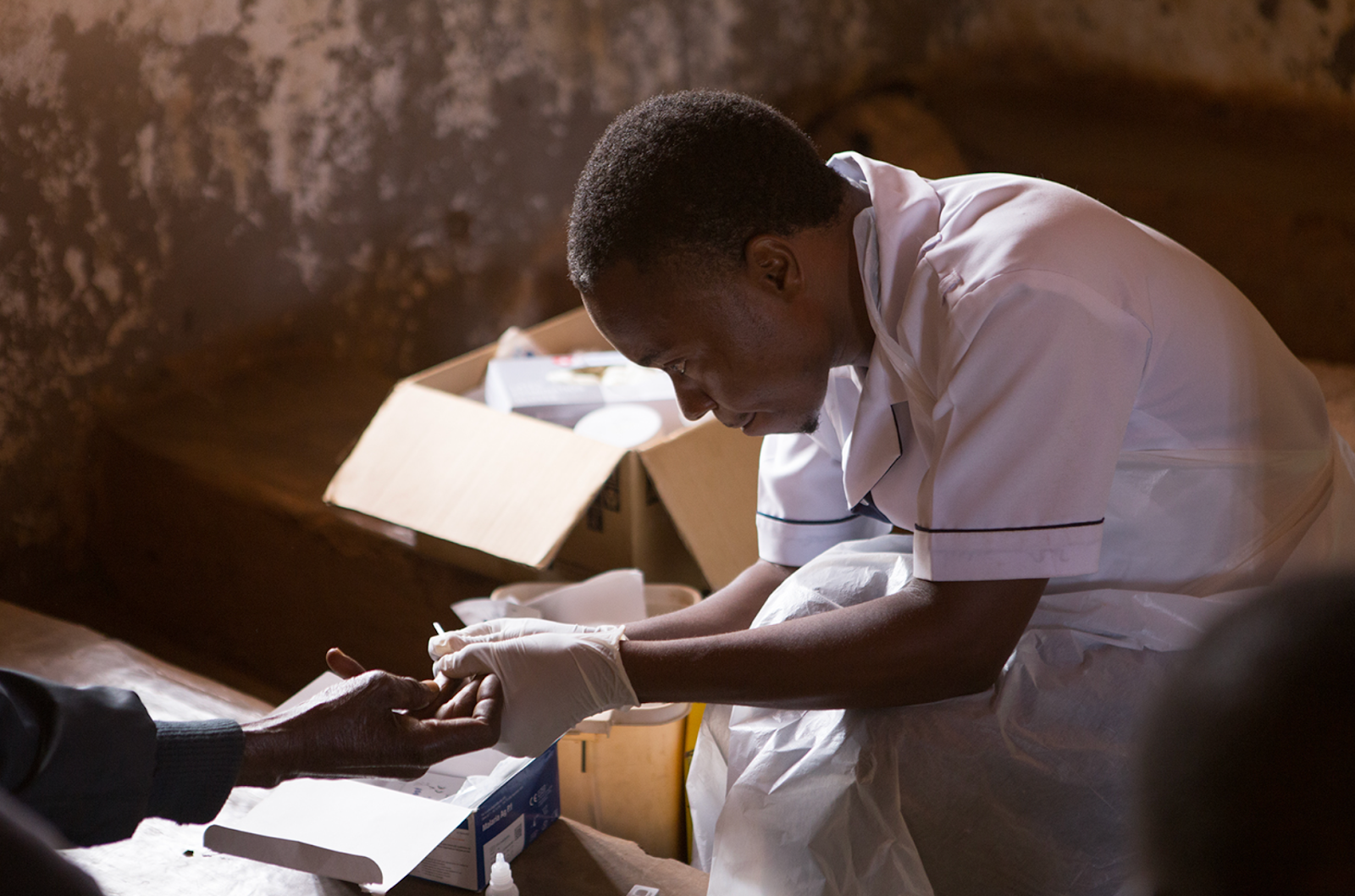
And yet, a critical shortage of trained nurses continues to leave many communities without consistent access to care, especially in rural areas.
At GAIA Global Health, closing this gap is at the core of our work.
Since 2005, GAIA has supported the Nursing Scholars Program in Malawi, providing wraparound financial and academic support to students who might otherwise be unable to complete their training. The goal is simple but powerful: ensure that talented, motivated students become licensed nurses and are able to build long-term, meaningful careers in the health system. To date, we have provided scholarships to 907 nurses, of which 760 have graduated.
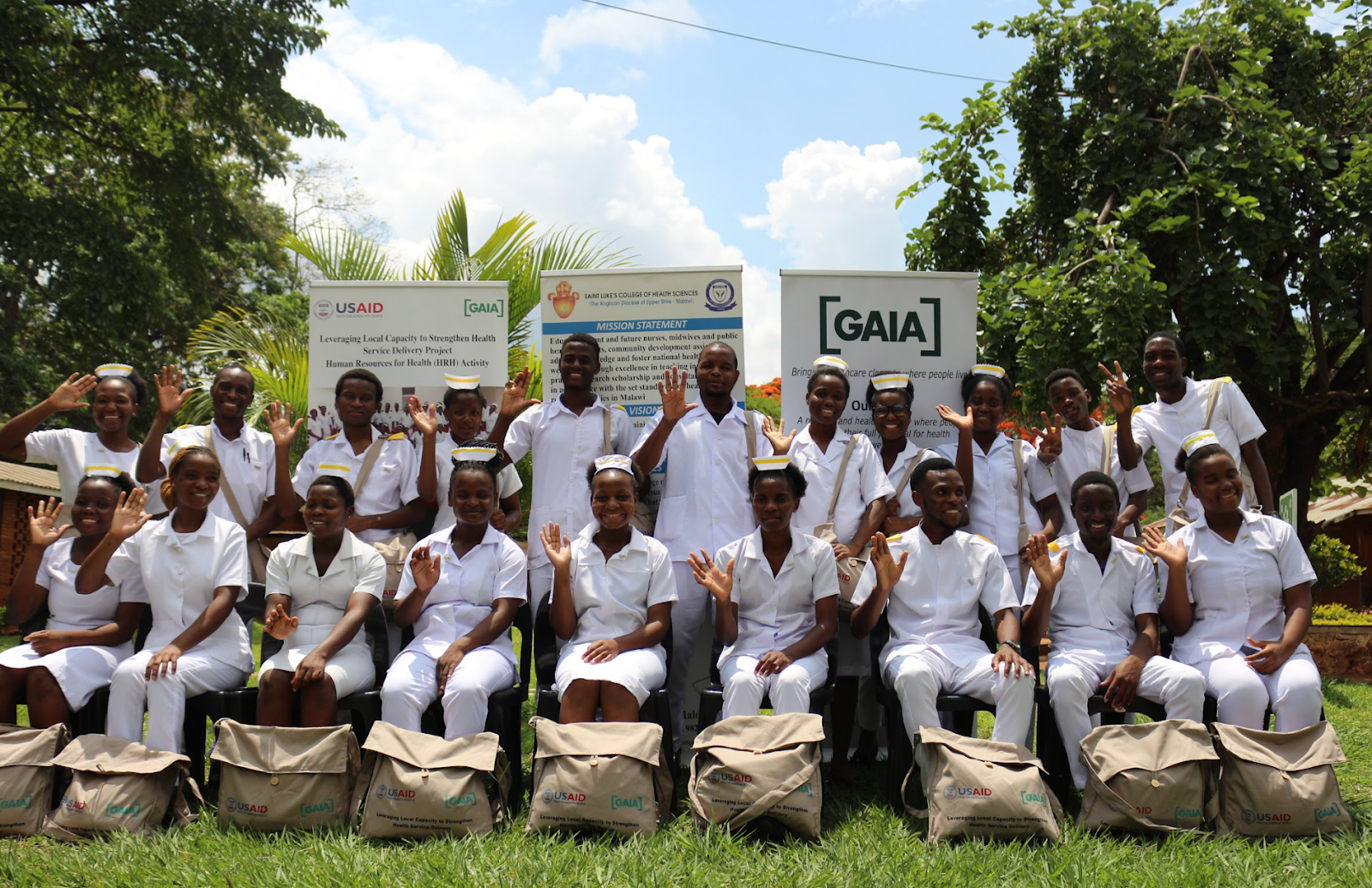
In 2017, GAIA launched the Nursing Fellows Program to address a different challenge: what happens after graduation. The program places newly trained nurses in clinical settings where they can continue building skills, gaining experience, and providing critical care while awaiting formal government deployment. To date, we have deployed 370 nurse fellows across rural, public health facilities.
Building on this proven model, GAIA expanded this work to Zambia in 2025, focusing on maternal and neonatal health. By training nurse-midwives and deploying them to high-burden rural facilities, the program is helping address some of the most urgent gaps in care.
In many cases, these nurses return to serve in their own communities, bringing not only clinical expertise, but a deep understanding of the people they care for.

Because investing in nurses isn’t just about filling workforce gaps. It’s about building stronger, more resilient health systems and, ultimately, healthier and more stable societies.
.jpg)