August 19, 2026
Published On:
By:
Todd Schafer
The press routinely reports that fuel costs are skyrocketing across the globe due to supply interruptions at the Strait of Hormuz. Occasionally, there is a mention of how the inflationary burden is unevenly spread. Californians cringe each time we are told that “gas prices in the U.S. have surpassed $4 a gallon,” when our costs are 50% higher than that. Europeans would love to have our fuel prices (the average in the E.U. is nearly $8/gallon), and residents of Hong Kong would dance in the streets (they’re paying an astronomical $15/gallon).
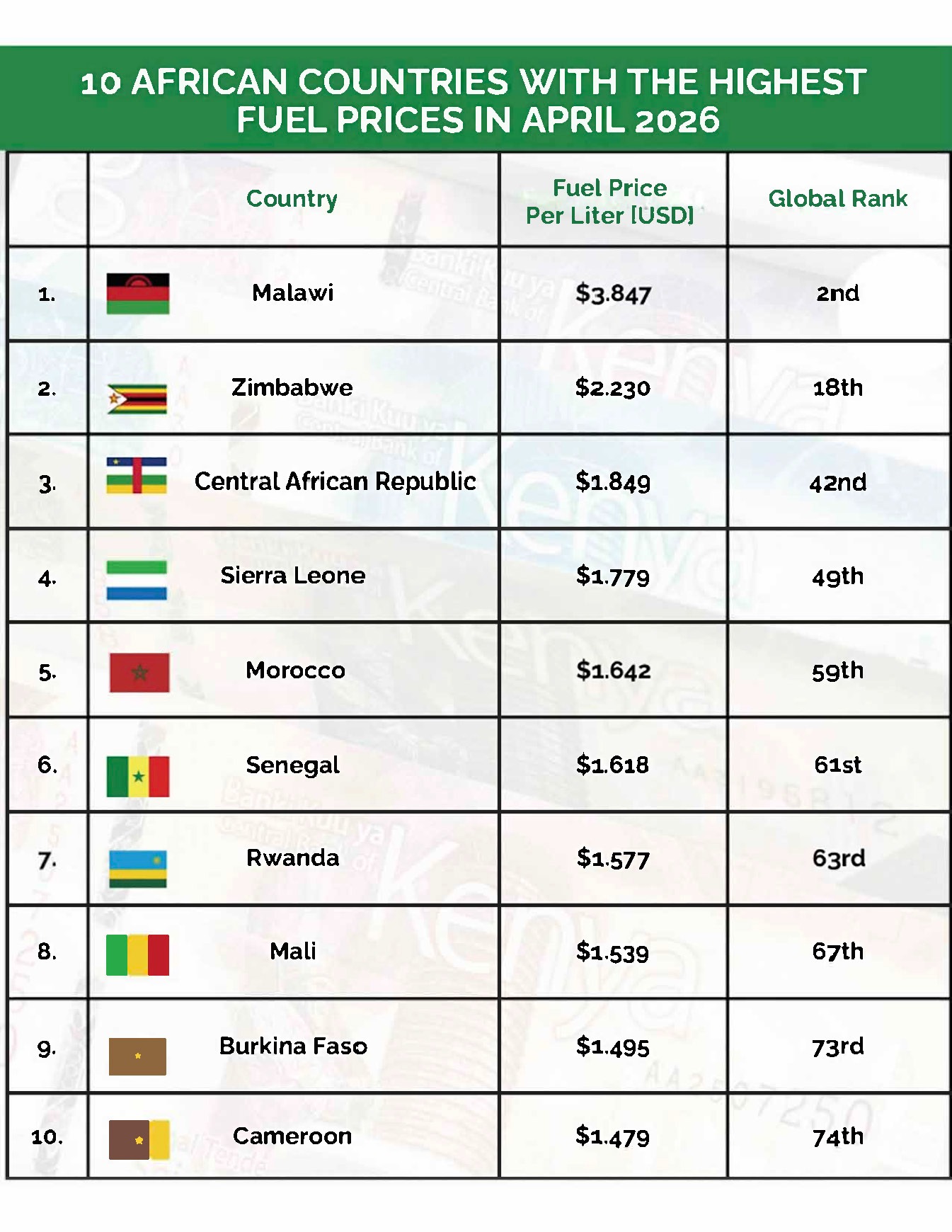
However, as usual, the poor have been hit hardest, with average fuel prices across Africa comparable to those in California, though with far less ability to pay. The case of Malawi, however, where GAIA works, is a head-scratcher. For a variety of reasons – including being landlocked, carrying a huge national debt, lacking foreign currency – Malawi’s fuel costs are second only to Hong Kong and far higher than in any neighboring country, at over $14/gallon. With Hong Kong’s GDP per capita roughly 100 times larger than Malawi’s, the pump price is effectively the highest in the world by far.
GAIA operates mobile health clinics in Malawi; the jump in diesel prices has already added at least $30K to the clinics’ fuel bill this year. And that doesn’t include the transport-driven inflationary effect on all sorts of other supplies required for our clinics to operate, like spare vehicle parts or family planning commodities, or cell phone units.
However, more distressing than the hike in fuel cost is its scarcity.
While GAIA has been able to cycle drivers through long fuel lines (up to 5 hours) and keep our clinics running, not everyone has that luxury. During a recent call with GAIA’s Malawi Country Director, we were interrupted by a call from a rural government hospital requesting our ambulance to transport two women facing medical emergencies to a regional facility with ICU capacity—because the hospital’s own ambulances had no fuel. This was no anomaly. We have also recently transported emergency blood supplies for the same reason.
When energy markets tighten in wealthy countries, the result is not merely higher fuel prices; it is the erosion of basic, life-saving services.
.jpg)