September 9, 2026
Published On:
By:
Jim Cashel
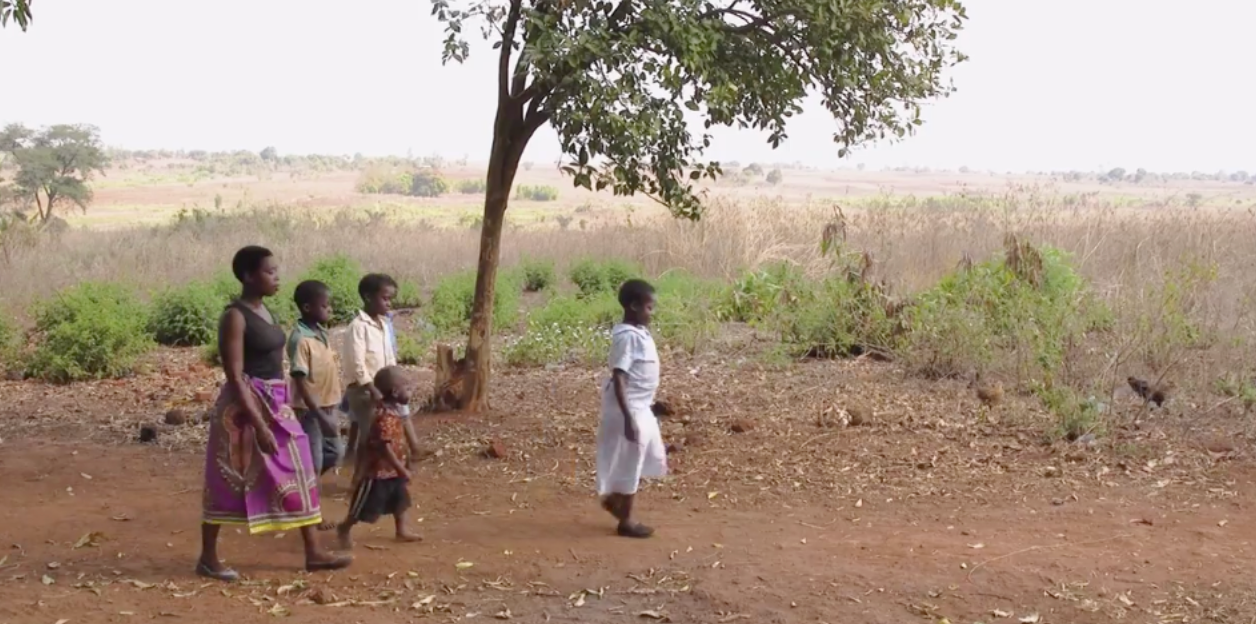
When I tell friends about our work in Malawi, the first question is usually, “Where is Malawi?”
That’s fair — I spent most of my adult life not knowing where Malawi was either.
The next question is inevitable: “Why Malawi?”
Interestingly, the answer to why GAIA started in Malawi is different from the answer to why GAIA continues to work in Malawi today.
A five-alarm fire
GAIA began in Malawi because of a health emergency.
In the early 2000s, AIDS — increasingly treatable in the United States thanks to antiretroviral therapy — was devastating communities across sub-Saharan Africa. In parts of southern Malawi, roughly one in five adults had contracted HIV, among the highest prevalence rates in the world. Entire villages were losing parents in the prime of life. Clinics were overwhelmed. Life expectancy in Malawi had fallen to just 43 years.
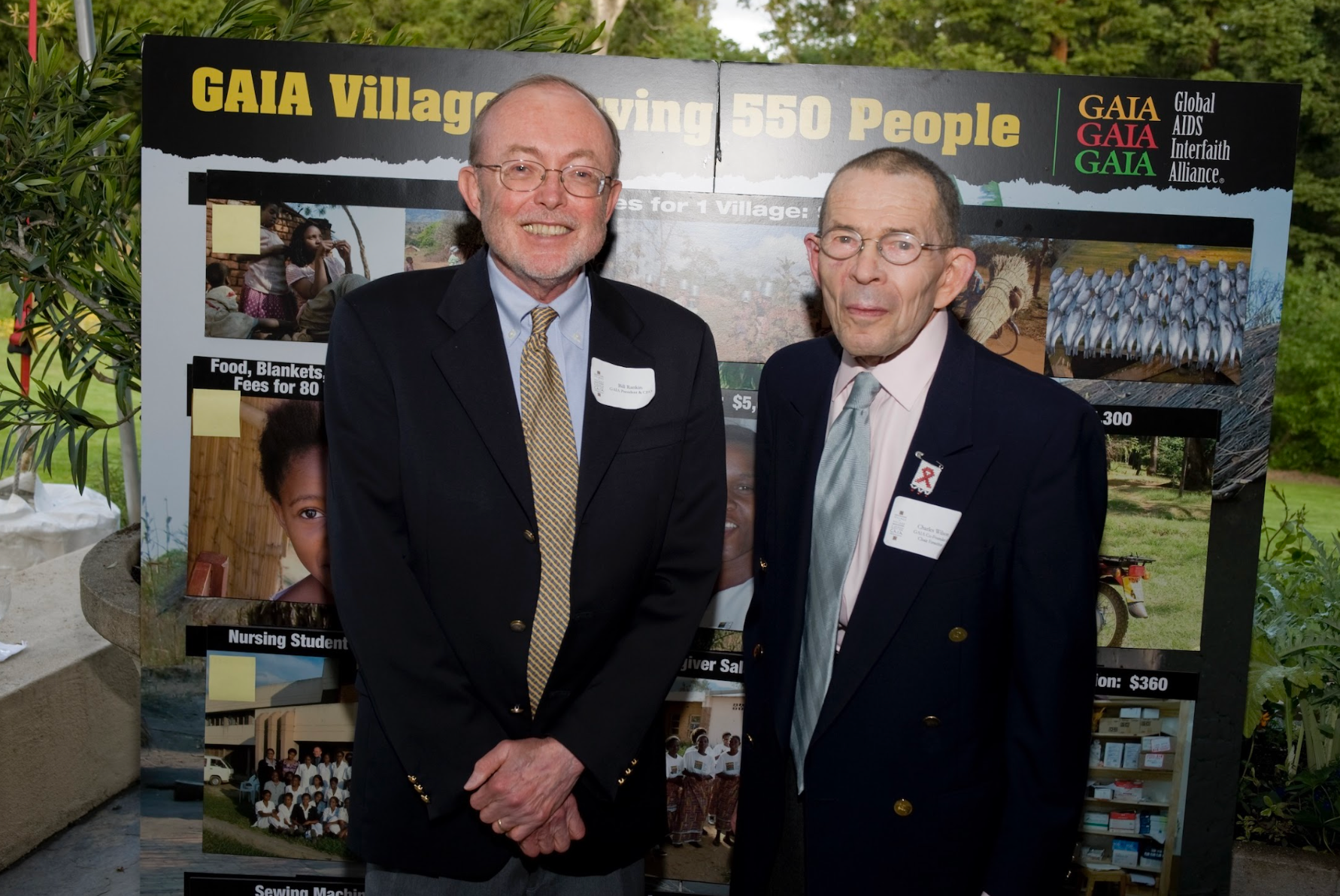
Two Americans, Bill Rankin, an Episcopal priest, and Charlie Wilson, a UCSF surgeon, believed they could not simply stand by. They chose to act.
Their plan was direct: bring HIV testing and treatment to people who had no realistic access to care. They began operating in rural southern Malawi, where the need was urgent and the infrastructure limited.
Their approach was the medical equivalent of a firefighter grabbing an axe and rushing into a burning building.
The organization’s original name — Global AIDS Interfaith Alliance — reflected that spirit: a broad coalition mobilized quickly to confront an emergency affecting entire communities.
From crisis to progress
Fortunately, the situation today is dramatically improved.
HIV remains a serious health issue in Malawi, but transmission rates are far lower, treatment is widely available, and people living with HIV can expect long, productive lives. National life expectancy has increased from about 43 years at GAIA’s founding to roughly 66 years today — a remarkable public health turnaround.
Why GAIA stays
GAIA continues to work in Malawi because HIV was never the only challenge.
When healthcare teams began reaching remote villages, they discovered many other conditions that were also widespread — and also treatable:
- malaria
- childhood illnesses
- pregnancy complications
- vaccine-preventable diseases
- tuberculosis
- hypertension and diabetes
- infections that would be routine to treat in wealthier countries but devastating without care
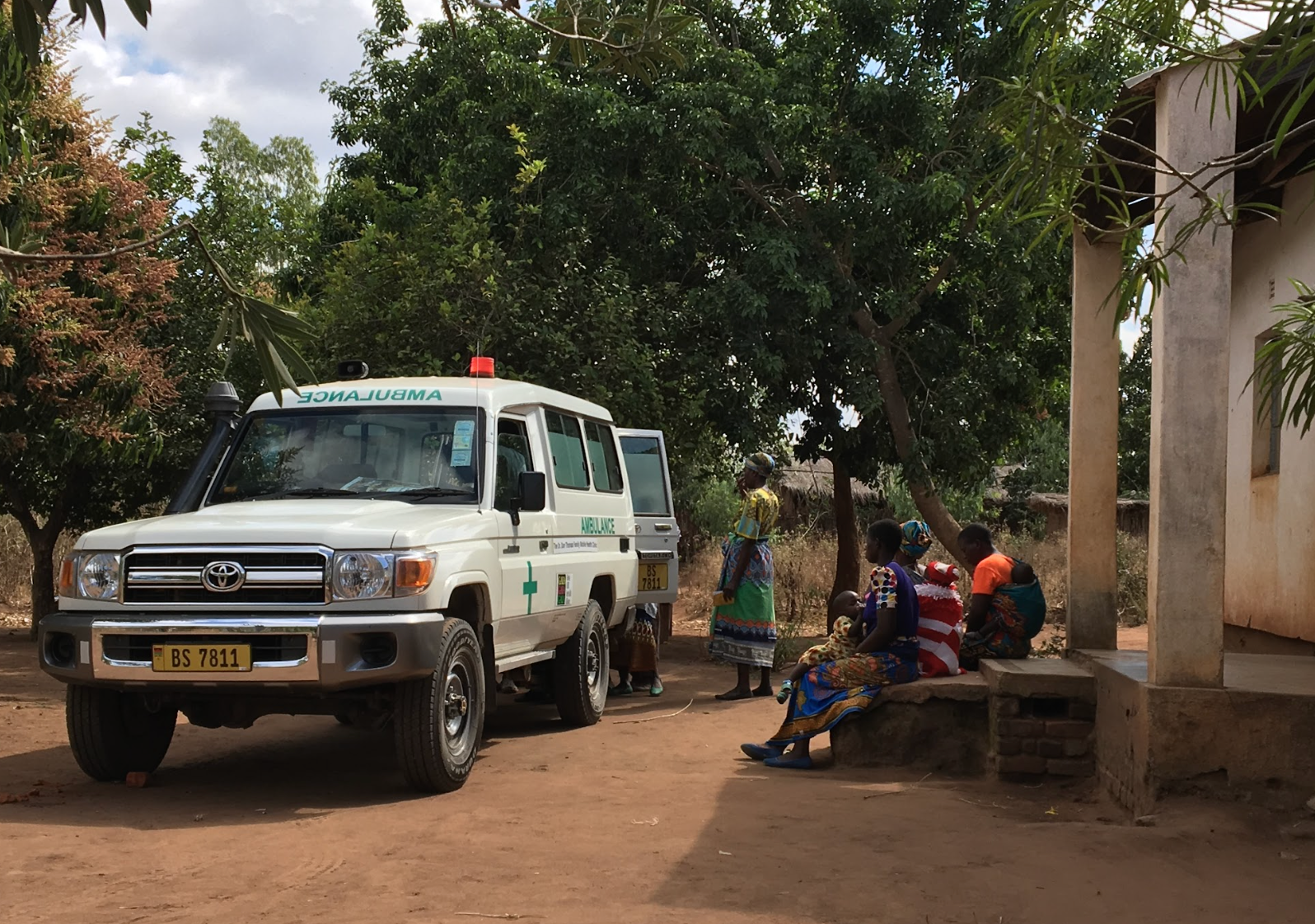
In many rural communities, distance remains the greatest barrier to healthcare. Clinics may be many miles away, transport is limited, and families often cannot afford to spend a full day traveling for care.
GAIA’s model — bringing healthcare directly to underserved communities through mobile clinics — proved effective for HIV. It turns out the same approach is equally effective for many other essential health services.
A practical place to make progress
Over time, we also discovered that Malawi is a very effective place to do this work.
It is a stable country with a capable and committed workforce. We developed strong collaboration with the Ministry of Health. Costs are low, so donor dollars go exceedingly far.
Malawi remains one of the poorest countries in the world. But it is also a place where progress is visible, partnerships are strong, and investments can produce meaningful results. And what can we say - we like it there. Malawi is referred to as “the Warm Heart of Africa” for a reason.
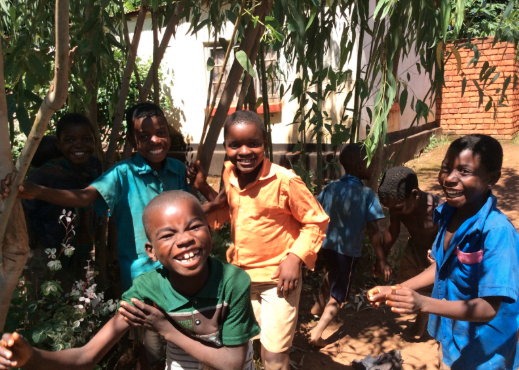
Came for the emergency, stayed for the opportunity
So why Malawi?
What began as a response to a crisis has evolved into a long-term effort to close the “last mile” gap in healthcare access. The story of GAIA in Malawi reflects empathy, urgency, partnership, a dose of serendipity - and the belief that practical solutions, even in a little-known country far away, can improve millions of lives.
.jpg)